
Part 2: The Search | Vetting the Breeder and the Puppy Who Chose Me
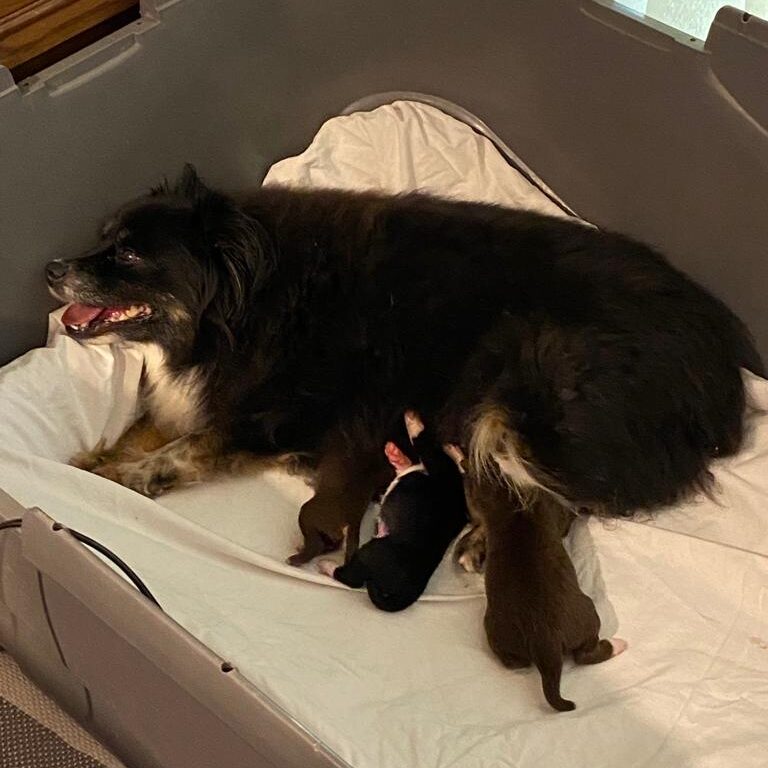
Finding the right human behind the dogs was the next challenge
Once I settled on the Miniature American Shepherd (MAS), the real work began. Choosing a breed on paper is one thing. However, finding reputable dog breeders in Australia who prioritise the care of the mother and the early socialisation of her litter is another; this is a vital element of ending up with a well-balanced puppy with a good temperament.
The Final Reality Check
Before committing, I took one final “due diligence” step. I visited a White Swiss Shepherd breeder. The pups were beautiful and the parents were majestic, but it confirmed my gut feeling: I was no match for a fully grown version of that breed. It was a vital step that reconfirmed the “Mini” was the right move for my lifestyle.
The Search for a MAS in Australia
To my surprise, the MAS is not a common breed here in Australia. This is ironic, given the breed originated from the Australian Shepherd. Back home in Austria, it is much easier to track down a reputable MAS breeder. Here, the options were slim.
By January 2022, I had located only two. One wasn’t breeding, which left me with exactly one option in NSW. I did my homework, read everything available, and sent a long introductory email explaining our lives, our cats, and our motivations.
The “Interrogation”
A few days later, the breeder requested a phone interview. I still remember how nervous I was. She asked a long list of screening questions, even requesting our social media accounts to get a picture of who we were.
As invasive as it felt, I took it as a great sign. She truly cared where her puppies went. Her contract also included a “buy-back” clause to ensure her dogs would never end up in the wrong hands. After several more calls covering DNA tests, ASDR (American Stock Dog Registry) registrations, and health guarantees, I was told I might have a chance if a few people dropped off the list.
The Waiting Game and a Trip Home
In March, a e-mail finally came: I had officially made the list! Two of her dogs were pregnant, with a scan due on March 17th.
The timing was perfect. After three years of COVID borders, I finally had a trip to Austria planned to see my family. It was the welcome distraction I needed. I hoped the first photos would arrive while I was with my mum so we could share the excitement.
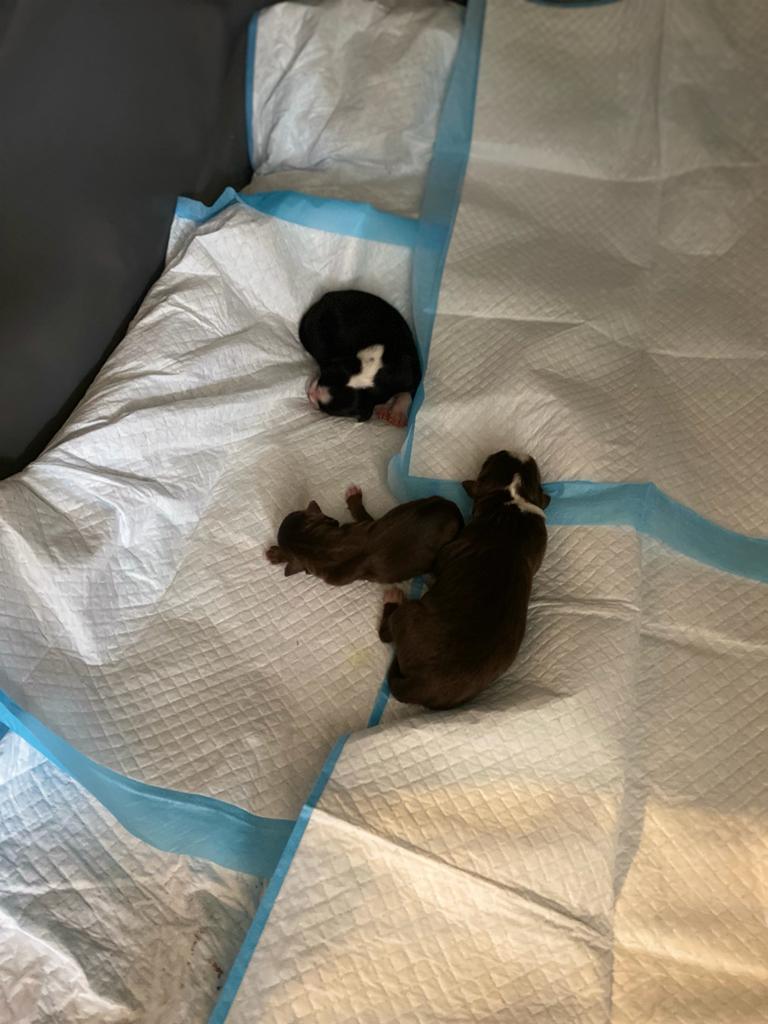
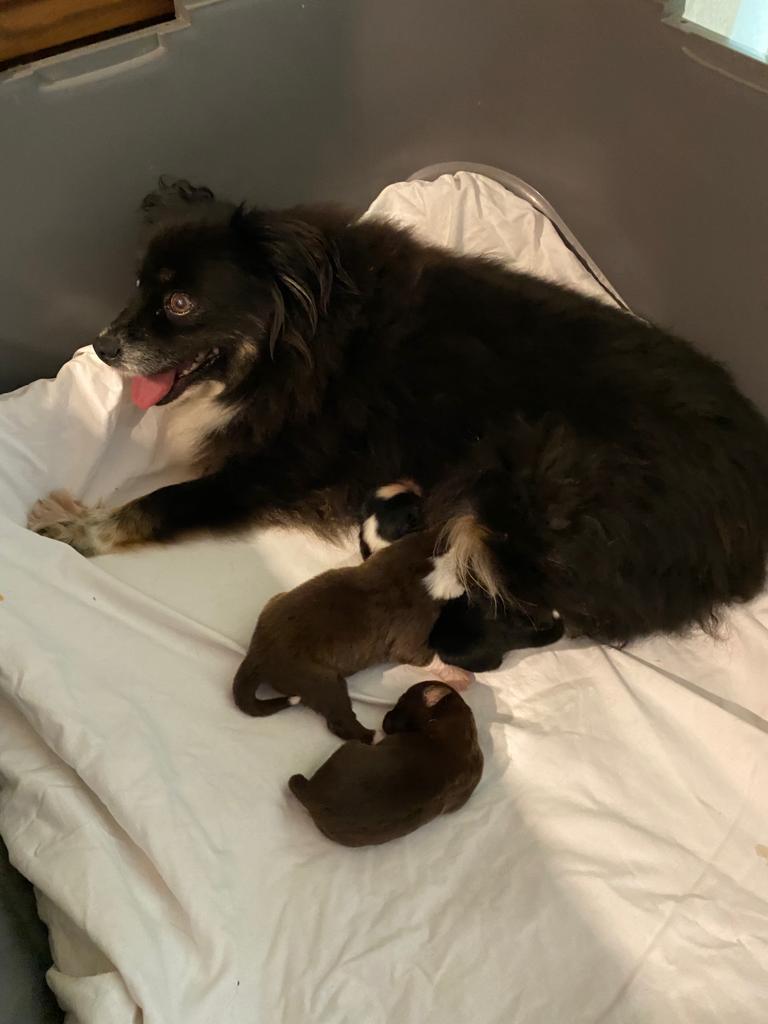
By late April, I received word that the puppies were healthy and “super cute.” However, due to privacy and COVID, the old tradition of visiting the litter to “pick one” wasn’t an option. I had to choose based on photos and descriptions of their personalities.
The Day Everything Changed
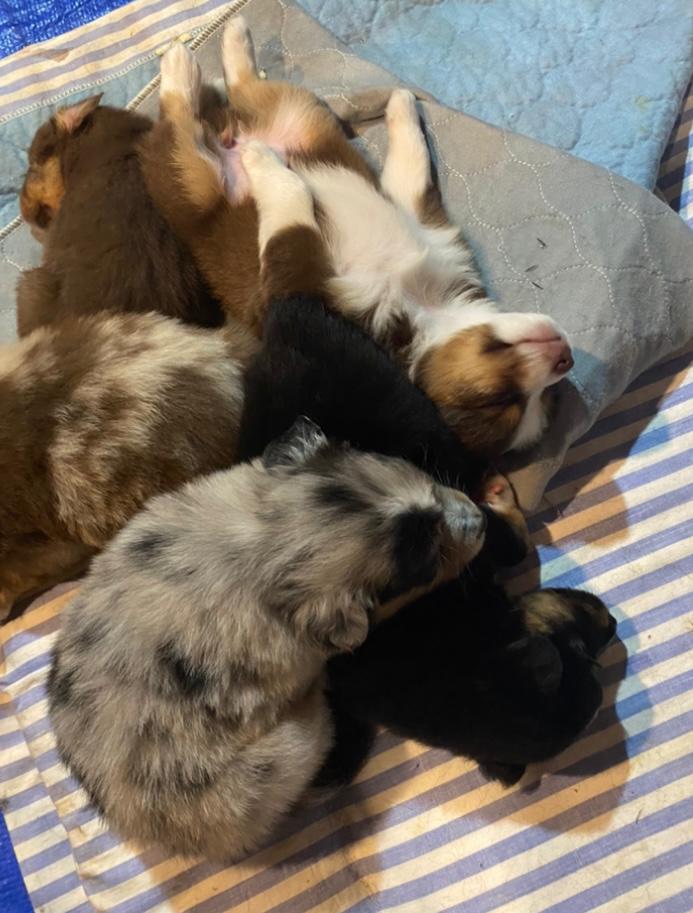
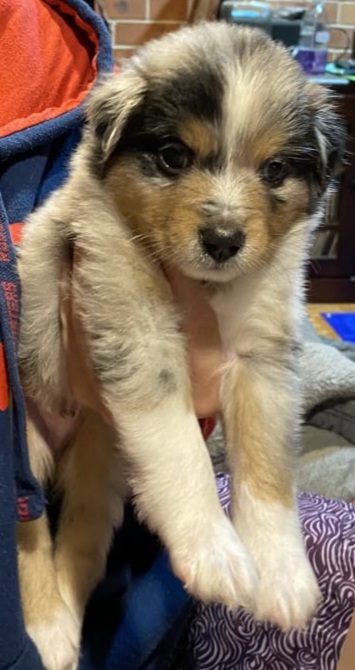
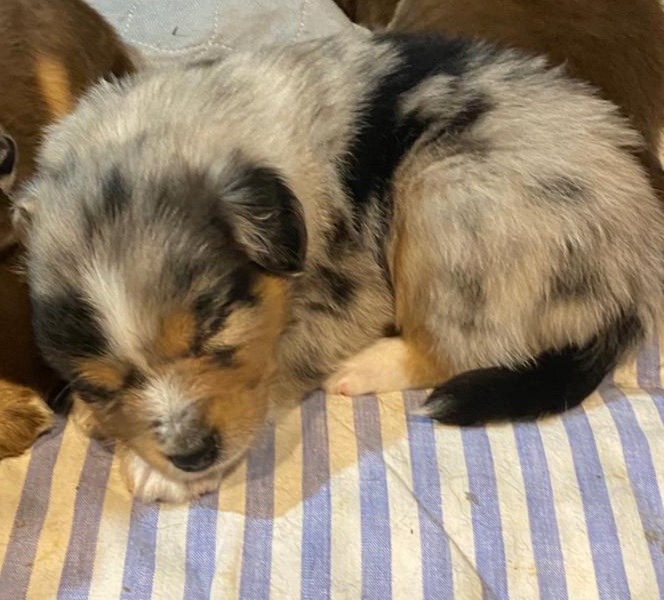
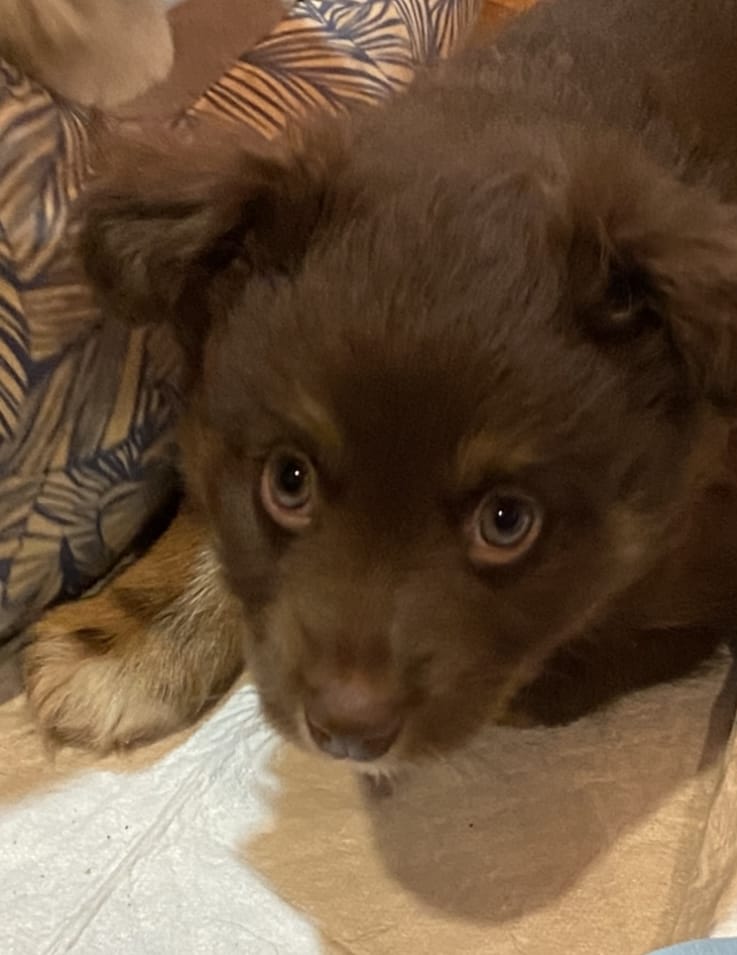
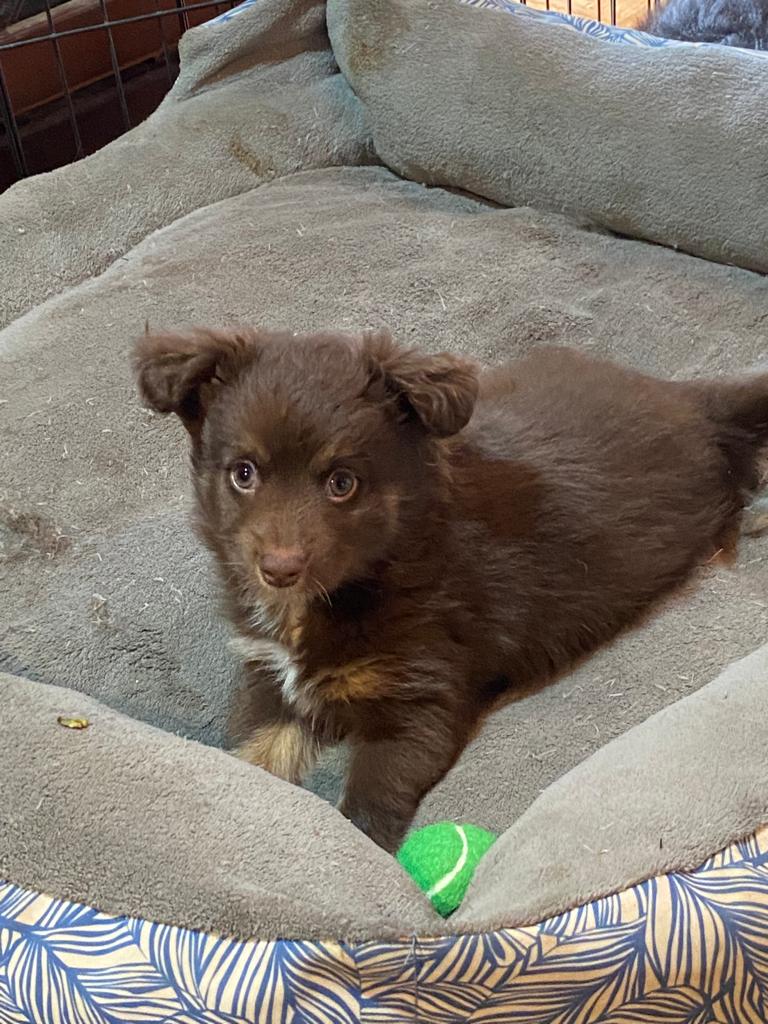
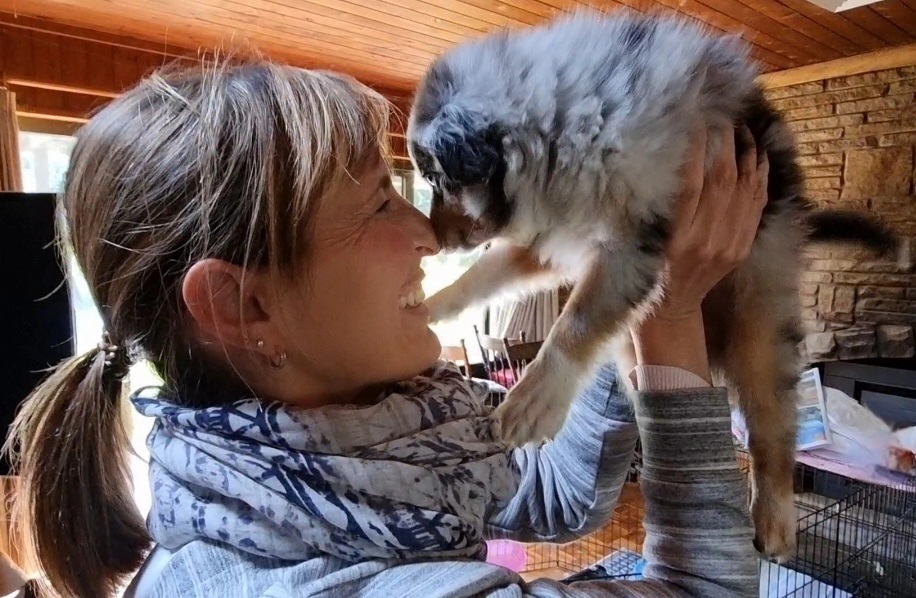
On May 22, 2022, while I was in Austria, the first photos arrived. I narrowed it down to two: a cheeky Blue Merle boy and a “non-traditional” brown Tri-colour boy. Based purely on the photo, I chose the Merle and named him Milo.
On June 16, when we finally went to pick him up, fate intervened. Instead of a park meeting, the breeder invited us to her home. Walking in was “puppy heaven.” I finally met the little Merle I had chosen, but the breeder pulled me aside with a word of caution.
“He is the bossiest, feistiest of them all,” she warned. “His energy is next level. I am concerned a standard yard and morning walks might not be enough for him.”
The One Who Stayed
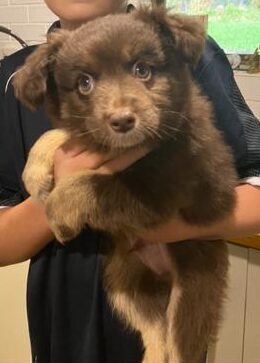
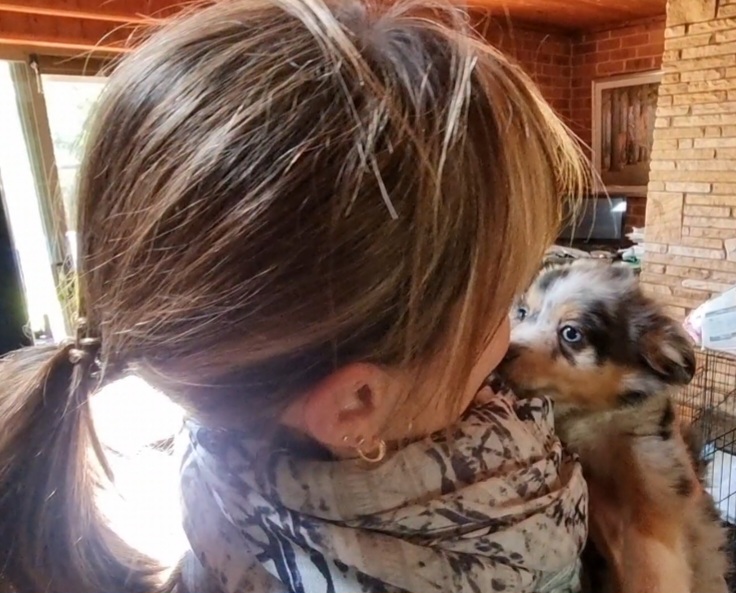
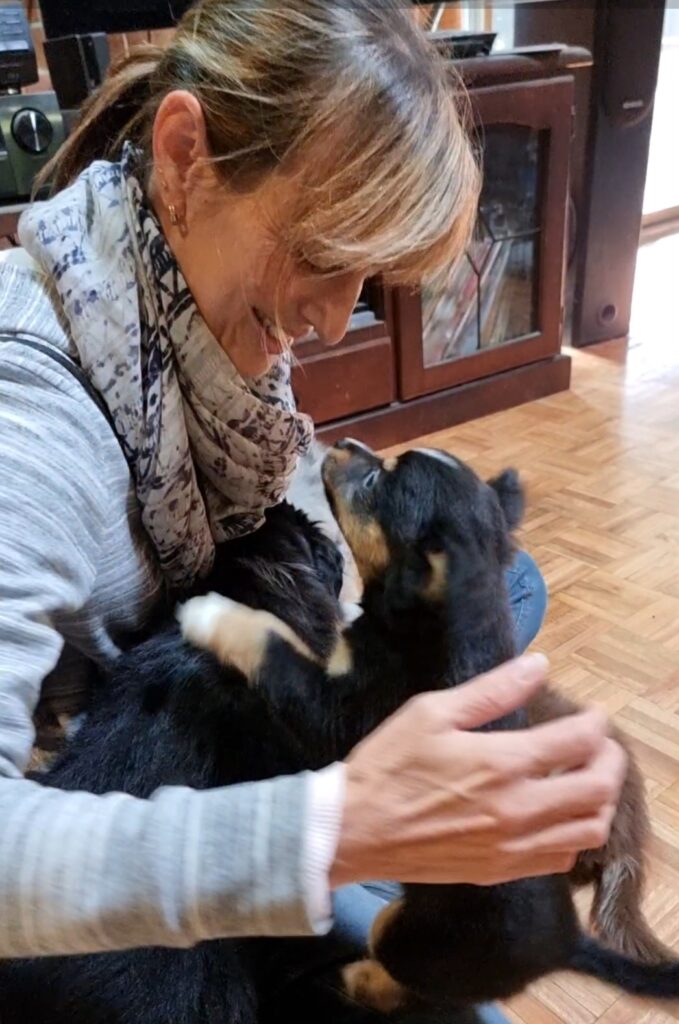
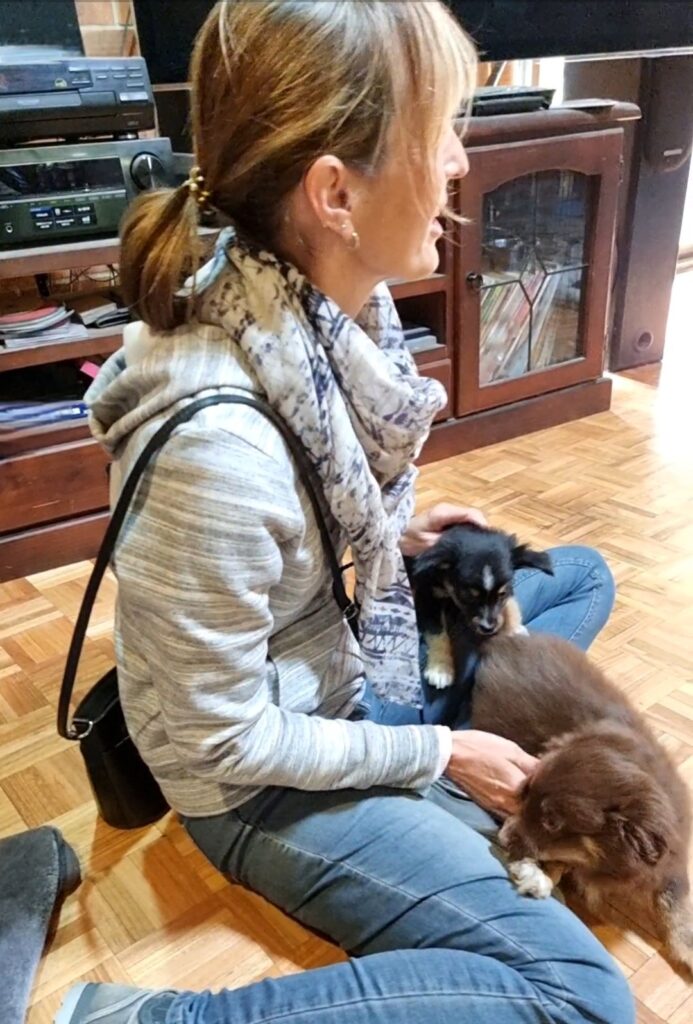
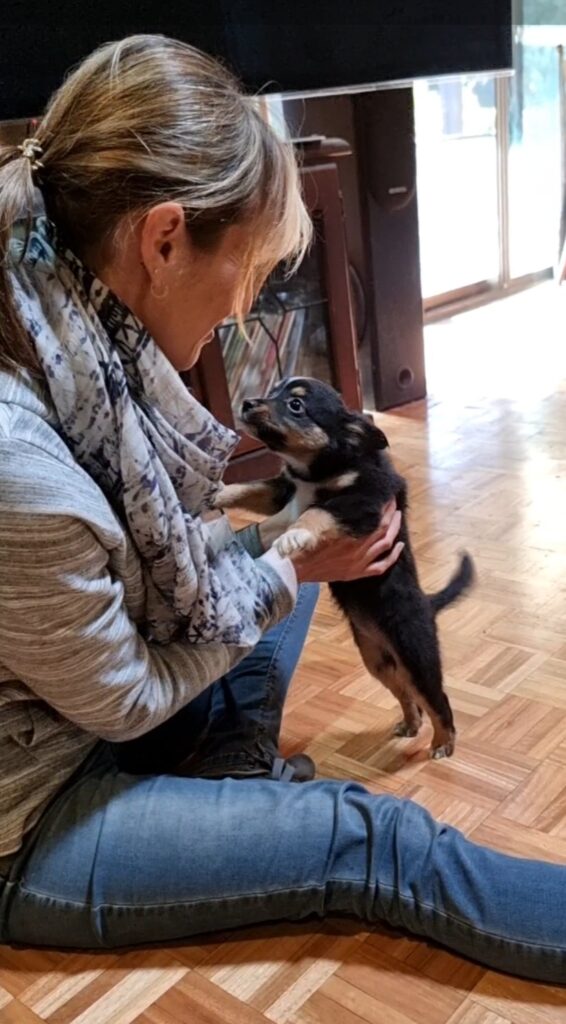
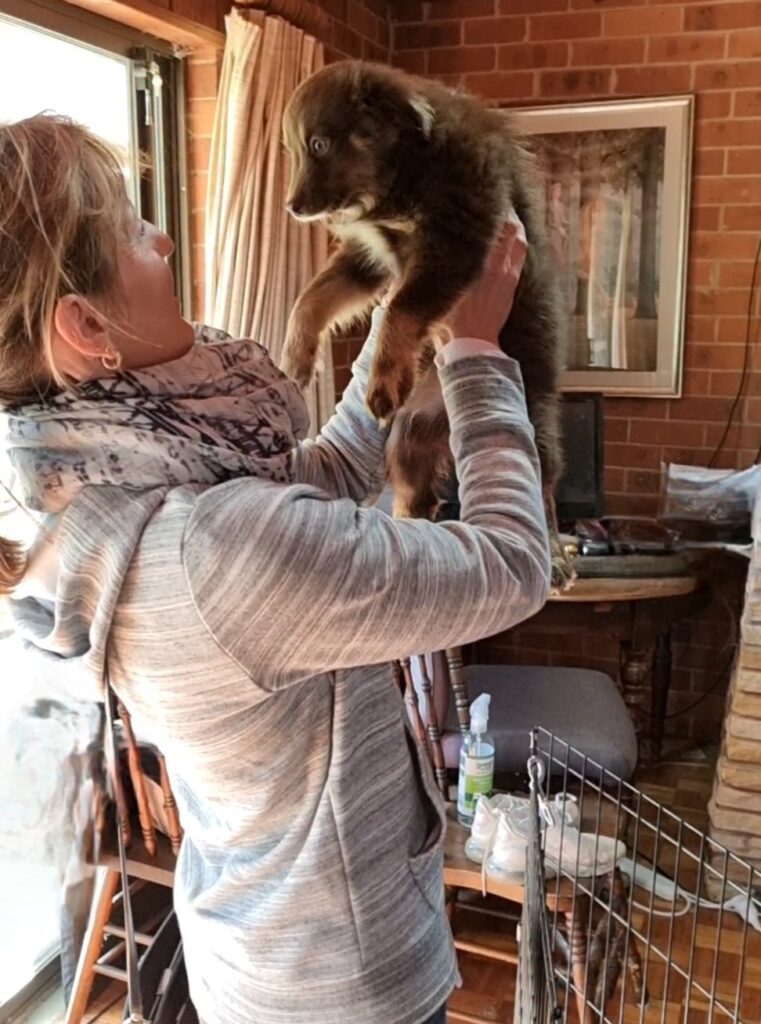
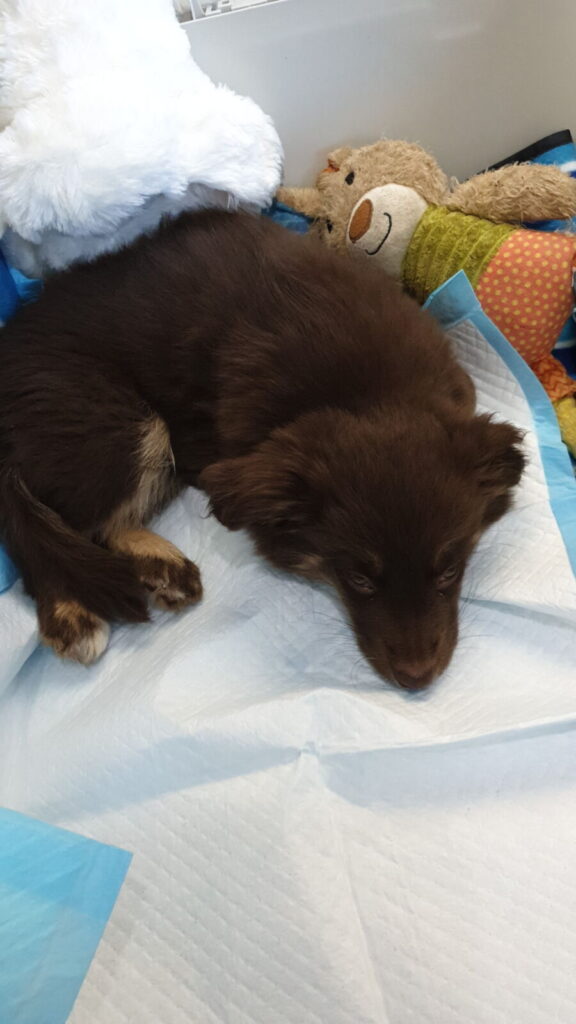
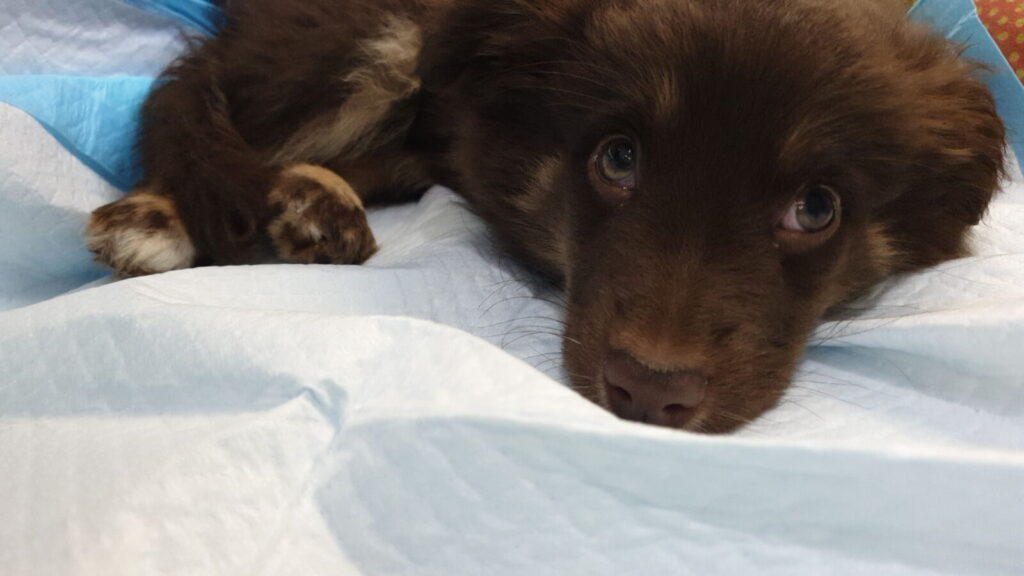
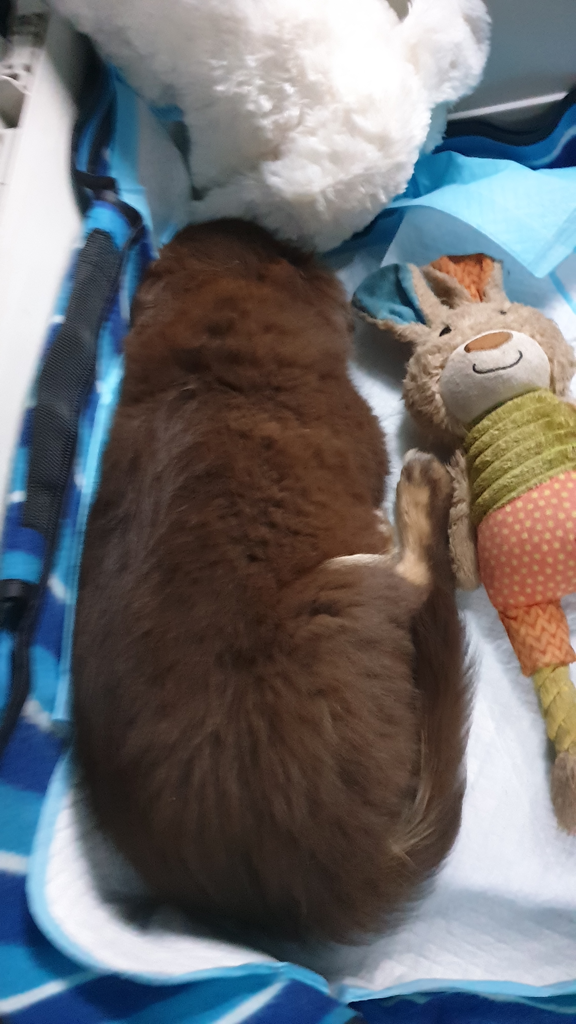
It was heartbreaking, but I trusted her expertise. I sat on the floor, and she let the available puppies out. While most wandered off to play, two stayed. A tiny black Tri-colour girl and the little “brown bear” I had originally seen in the photos.
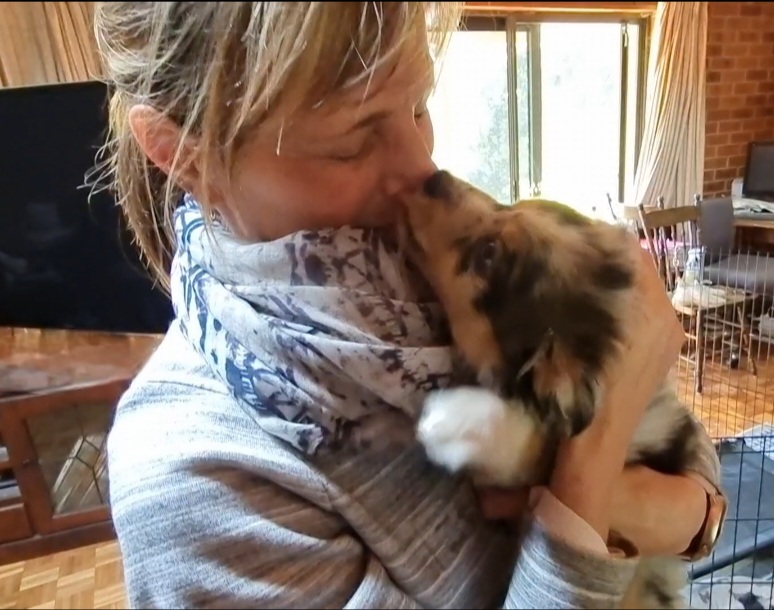
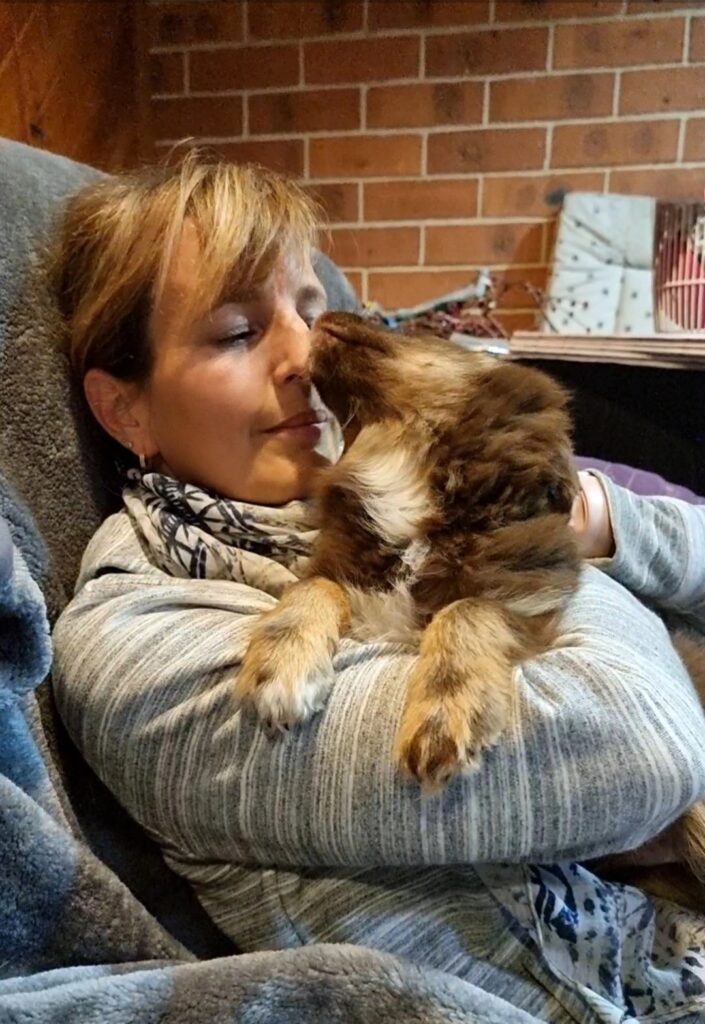
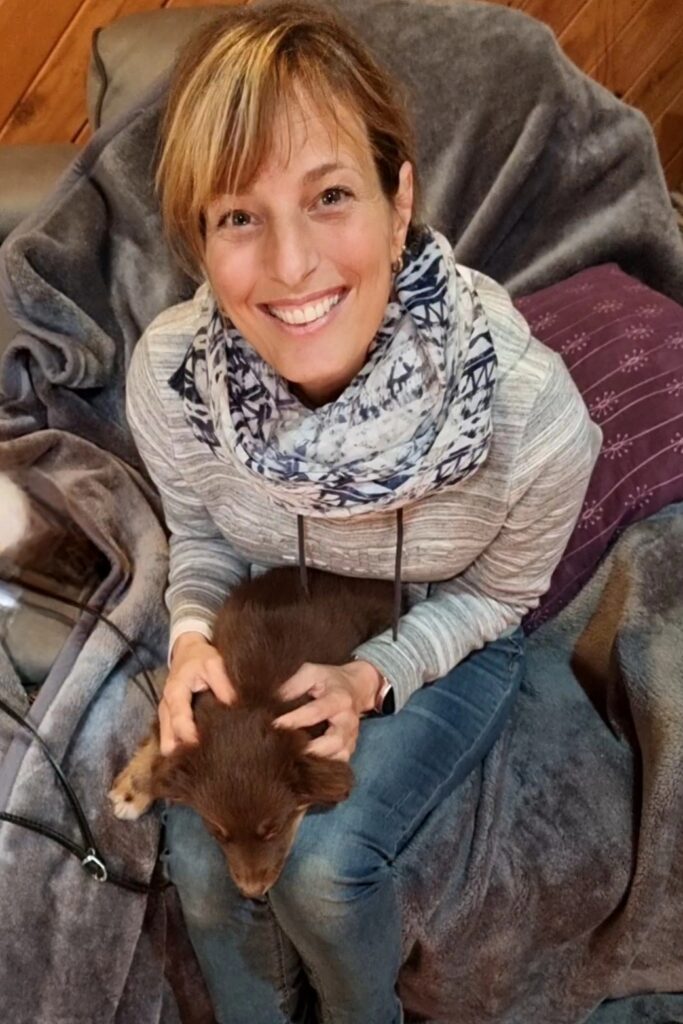
I sat there for ages. The little brown one simply would not leave my side. He was the “odd one out” because of his coloring, but in that moment, I just knew. He had chosen me.
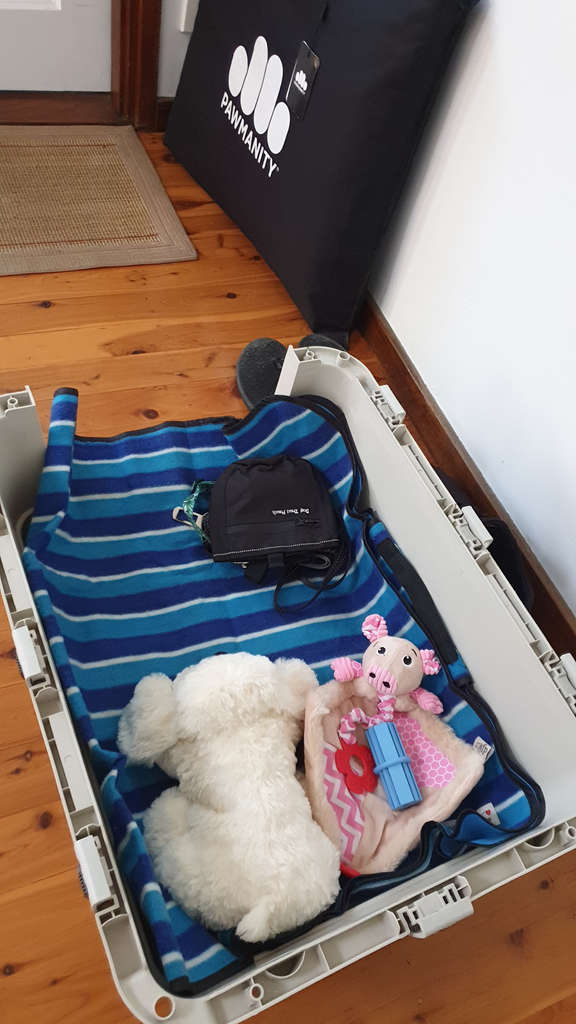
We filled out the paperwork, and started the hour-long drive home.
He was a dream, sleeping the whole way. As he took his first “wee” on the grass at our house, the world felt perfect. We just had one final task: we needed to find him a name.

Ready for the next chapter? Part 3: The Arrival | Theory Meets Reality: Putting 18 Months of Research into Practice