
The Miniature American Shepherd: Life with a Working Breed
When we head out, Monte usually gets a second look. People are often curious about him and wonder what breed he is.
Miniature American Shepherds are still relatively uncommon here in Australia compared to the US or Europe. Official recognition by Dogs Australia only came in 2022, which explains why so many people stop us on our walks to ask what kind of dog he is.
Whether you are considering welcoming one into your home or simply curious about the breed, its history offers a useful starting point. But understanding the breed means looking beyond its appearance.
Behind that compact package is a dog whose little brain very rarely switches off. As I have shared in The Monte Chronicles, choosing a breed like this took careful research, and I had solid reasons for going this route.
From California Ranches to Australian Trails
Back in California in the 1960s, the push for a smaller herding dog came from equestrians traveling the state’s horse show and rodeo circuit. Living out of pickup trucks and trailers where space was at a premium, they needed a companion that could keep up. They wanted all the drive, intelligence, and grit of a true working dog, just shrunk down to fit a nomadic life on the move.
With their natural comfort around horses and steady temperament, they quickly became the ultimate travel partners, helping the breed’s popularity spread.
Is a Miniature American Shepherd Just a “Mini Aussie”?
The answer is a little more nuanced than a simple yes or no.
Developed in the United States from smaller Australian Shepherds on the rodeo circuit, the breed carried the “Mini Aussie” nickname forward as it grew distinct from its parent breed. While that familiar nickname reflects their history, the Australian Shepherd and Miniature American Shepherd (MAS) now have separate recognised standards.
A small Australian Shepherd does not become a MAS simply because it falls below a particular height. Some organisations continue to register dogs under their own standards, and the informal name alone does not establish that a dog is a registered Miniature American Shepherd. Pedigree and registering organisation are what should be questioned if this is something that is important to you.
Another detail that often surprises people is the tail. While historic lines were often docked, tail docking is illegal across Australia, meaning local dogs retain their natural tails. Today, Miniature American Shepherds can be born with a full tail, a naturally bobbed tail, or varying lengths in between.
Beyond the Initial Fascination: Temperament and the “Constant Thinker”
People see a smaller dog and can mistakenly assume low energy or an easygoing house pet. In reality, a Miniature American Shepherd is an active, athletic herding dog.
If someone relies purely on looks as a deciding factor for getting a MAS, they are missing the reality of the breed.
Built for a full day of demanding work on open terrain, their nervous systems are always switched on and looking for a job. Put that kind of all-day drive into a city flat without meeting their needs, and anxiety or destructiveness soon follow.
Their working instincts do not just switch off at home. A herding dog can express its instincts without ever encountering a sheep. Behaviour that might have a purpose on a farm needs management at home, as they naturally notice movement, changes in the environment, and can even try to herd cats or family members if not given constructive outlets. Giving them safe ways to channel that drive to chase and herd makes all the difference, something I’ve found firsthand testing high-drive toys like the Jolly Egg vs. CollieballCollieball.
Daily Routine & Mental Engagement
Our daily routine is built around keeping that busy brain satisfied:
- The Early Morning Shift: Before work, we are out for at least an hour walking, sniffing, and fetching, mixed with a bit of training.
- Daytime Engagement: My husband plays with him in the yard a couple of times during the day where possible or takes him out on appointments.
- Evening Wind-Down: I go for another walk after work, followed by a quick play session, obedience training, or scent work before we settle down for the night.
Monte requires a real commitment to physical exercise, obedience, trick training, and brain games. Training starts with everyday skills, because even a quick learner still needs teaching. Recall, walking comfortably on a lead, accepting grooming, and settling while the household is busy are valuable foundations. When bad weather keeps you indoors, structured indoor dog enrichment and mental stimulation makes a world of difference. To really test their cognitive skills and give them a voice, exploring dog talking buttons training is another great way to engage that busy brain.
Beneath the coat and the size is a smart, busy dog that needs structure, engagement, and a lot of daily attention.
COAT MAINTENANCE & Climate Considerations
That striking double coat is a signature part of the breed, but be prepared to put in the regular upkeep to maintain it. It sheds seasonally, meaning regular brushing is part of weekly life to reach the undercoat and keep the skin healthy. They are also not a hypoallergenic breed.
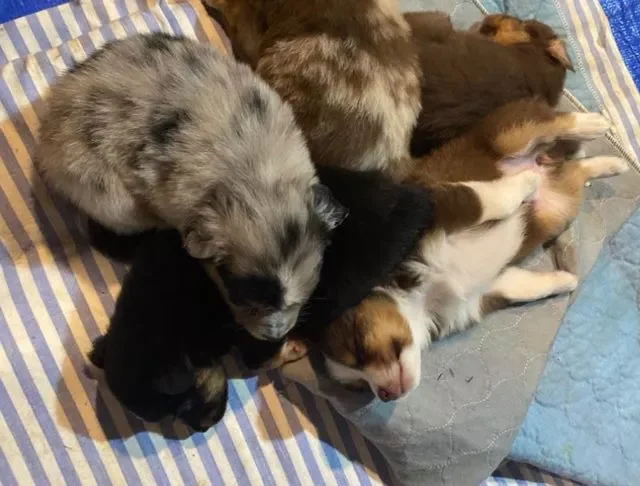
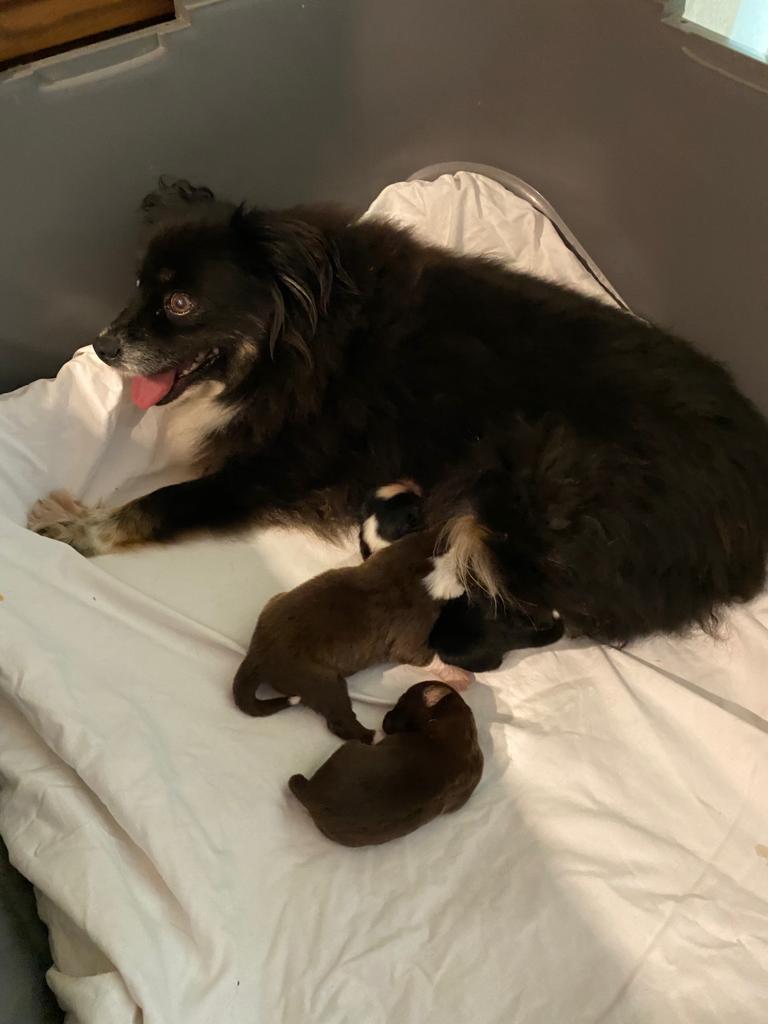
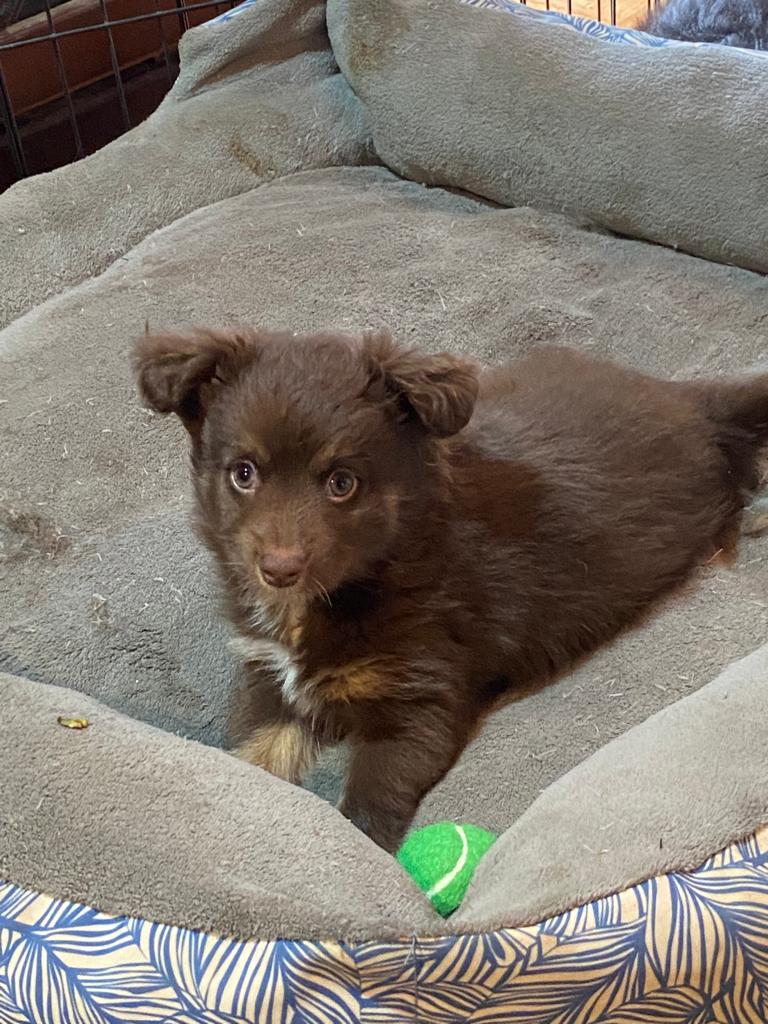
When we met the litter, the breeder could already tell what type of coat each puppy was likely to develop. While it wasn’t the deciding factor, I was quietly pleased to hear that Monte wouldn’t turn into one of the super fluffy types with a massive mane and overwhelmingly thick coat.
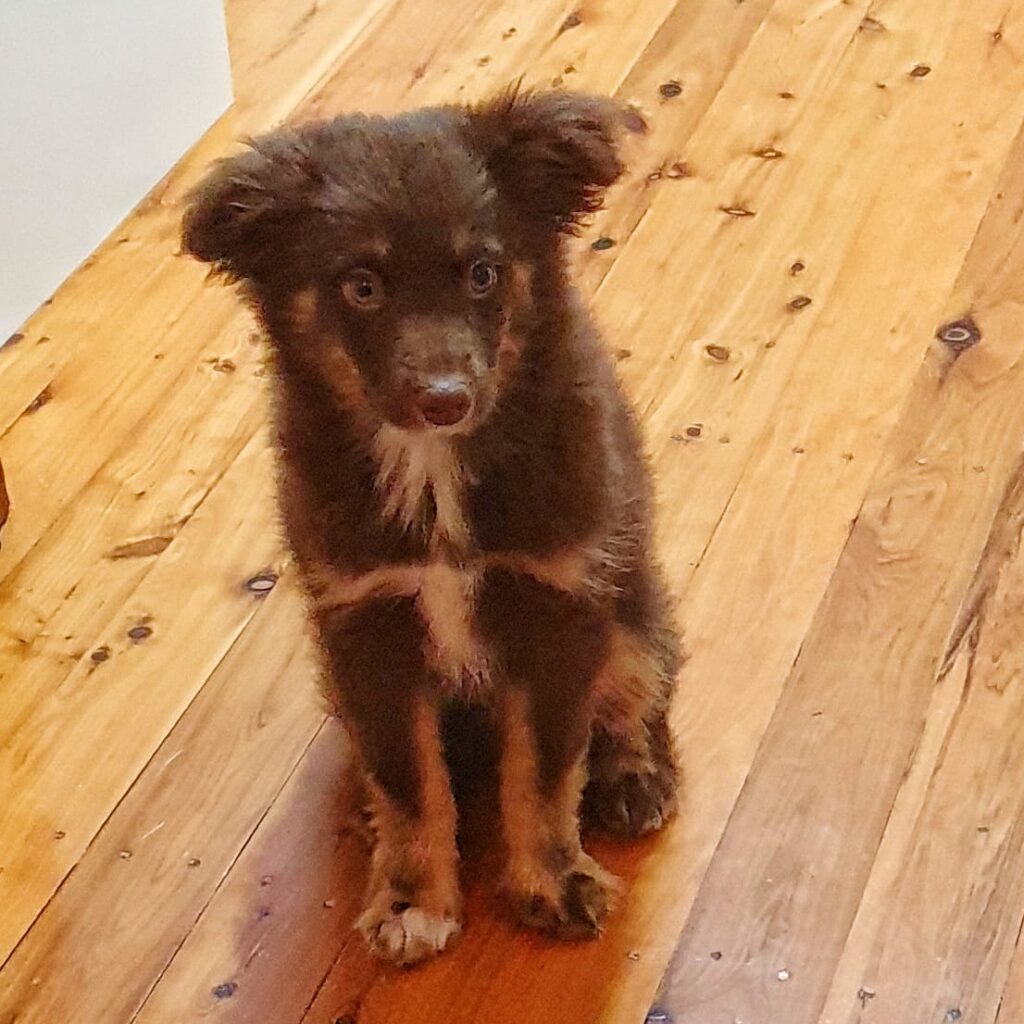
His coat has shifted a little as he has matured, but it remains remarkably manageable. Even with that double coat, he sheds no more than his two feline residents, Diesel and Holly. A fact that still genuinely surprises us.
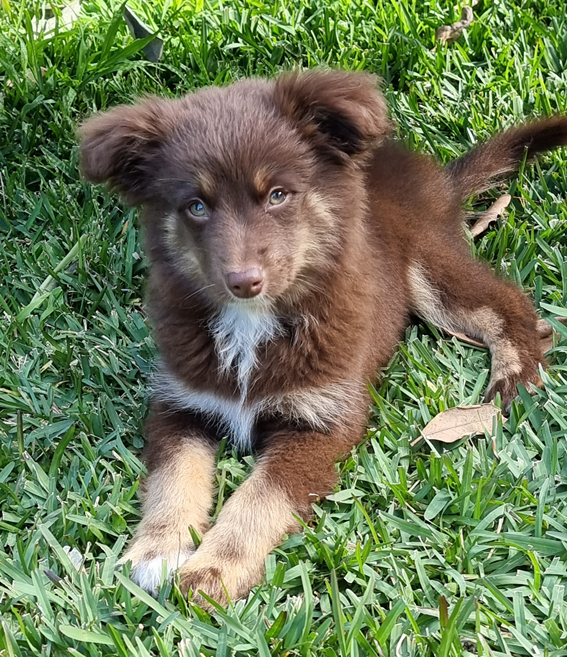


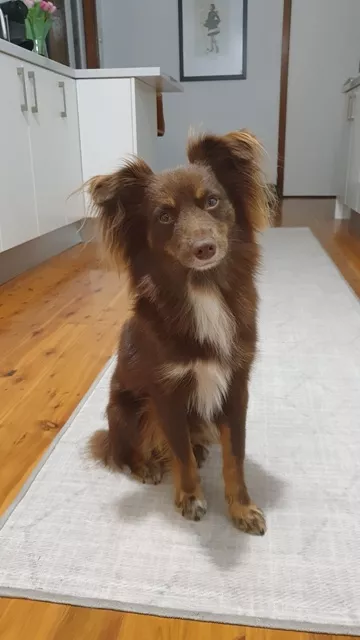
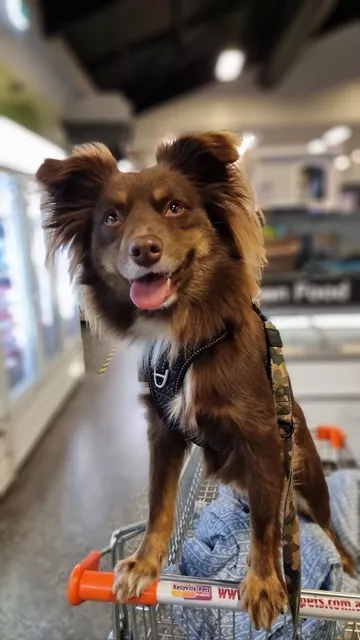


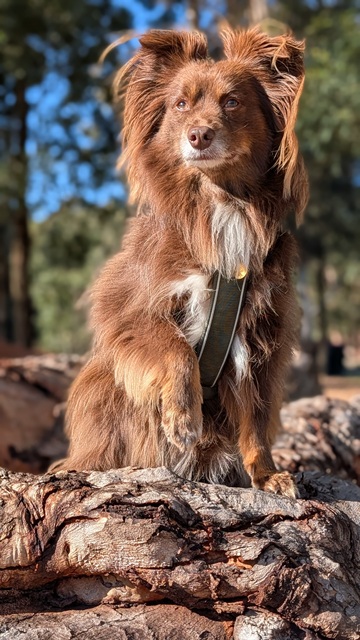
Living in Australia also means keeping our climate front of mind. Shaving is not the recommended default for keeping a double-coated dog comfortable in summer. Regular grooming and sensible heat management are better starting points. A weather-resistant double coat doesn’t prevent heatstroke, so we plan our walks during cooler parts of the day, ensure constant access to fresh water and shade and we avoid hot pavements.
Health and What to Look Out For
Responsible health screening is an essential part of the breed. Ask to see actual reports, rather than relying on a statement that the parents were “health checked.”
Key areas include:
- Hips: Evaluating hip structure to guard against hip dysplasia.
- Eyes: DNA screenings for conditions like PRA-prcd and hereditary cataracts.
- MDR1: A gene variant affecting sensitivity to certain medications, which is important to know and share with your veterinarian.
- Understanding merle without the myths: A merle coat does not automatically mean a dog is unhealthy. However, certain combinations of inherited merle variants can increase the risk of hearing and eye abnormalities in offspring. The genetics are more complicated than appearance alone suggests. Some variants produce little visible pattern, so knowledgeable breeding decisions may require genetic testing. Prioritise health, temperament, and responsible breeding over a preferred pattern or eye colour.
Common Misconceptions to Keep in Mind
- “Miniature means low energy.” Size has nothing to do with drive; their working heritage means they need active physical and mental outlets.
- “They are automatically good with children.” Individual temperament, proper supervision, and management of herding tendencies always matter.
- “They need a farm.” The breed can adapt to urban, suburban, and rural homes. But its suitability depends on how its needs are met, rather than the address alone.
Finding the Right Fit
If possible, spend some time around adult dogs of the breed before making up your mind.
A Miniature American Shepherds can be a rewarding family companion, but suitability depends on the individual dog and the household’s ability to support it. The appeal of the breed extends well beyond its coat and size.
I know this firsthand, admittedly, I also fell in love with a little merle boy at first sight.
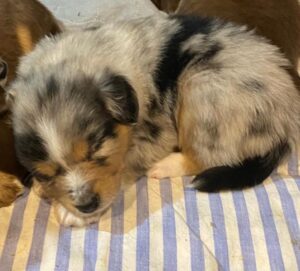
As I shared over on Vetting the Breeder and the Puppy Who Chose Me, I had my heart set on him until the day I was due to pick him up. I made a different choice based on the breeder’s guidance and watching how the litter’s temperament actually unfolded in person.
It is so easy to be captivated by markings, but finding the right dog means trusting knowledgeable guidance and looking past the surface.
When evaluating whether a Miniature American Shepherd fits your world, forget the square footage of your home and look closely at your calendar instead. A useful assessment is to picture an ordinary weekday:
- Who will walk the dog?
- When will it receive attention and training?
- How will periods alone be managed?
- Is everyone comfortable with regular grooming and an active breed?
Those questions often reveal far more than the size of an apartment or a garden. Sharing your life with a MAS is an active, deeply rewarding partnership, one that asks for commitment in exchange for a brilliantly loyal, shadow-like companion.
What are your thoughts?
Are you intrigued by the compact charm of the Miniature American Shepherd, or do you already share your home with a constant thinker?
Drop a comment below, I would love to hear about your experiences!
Leave a Reply